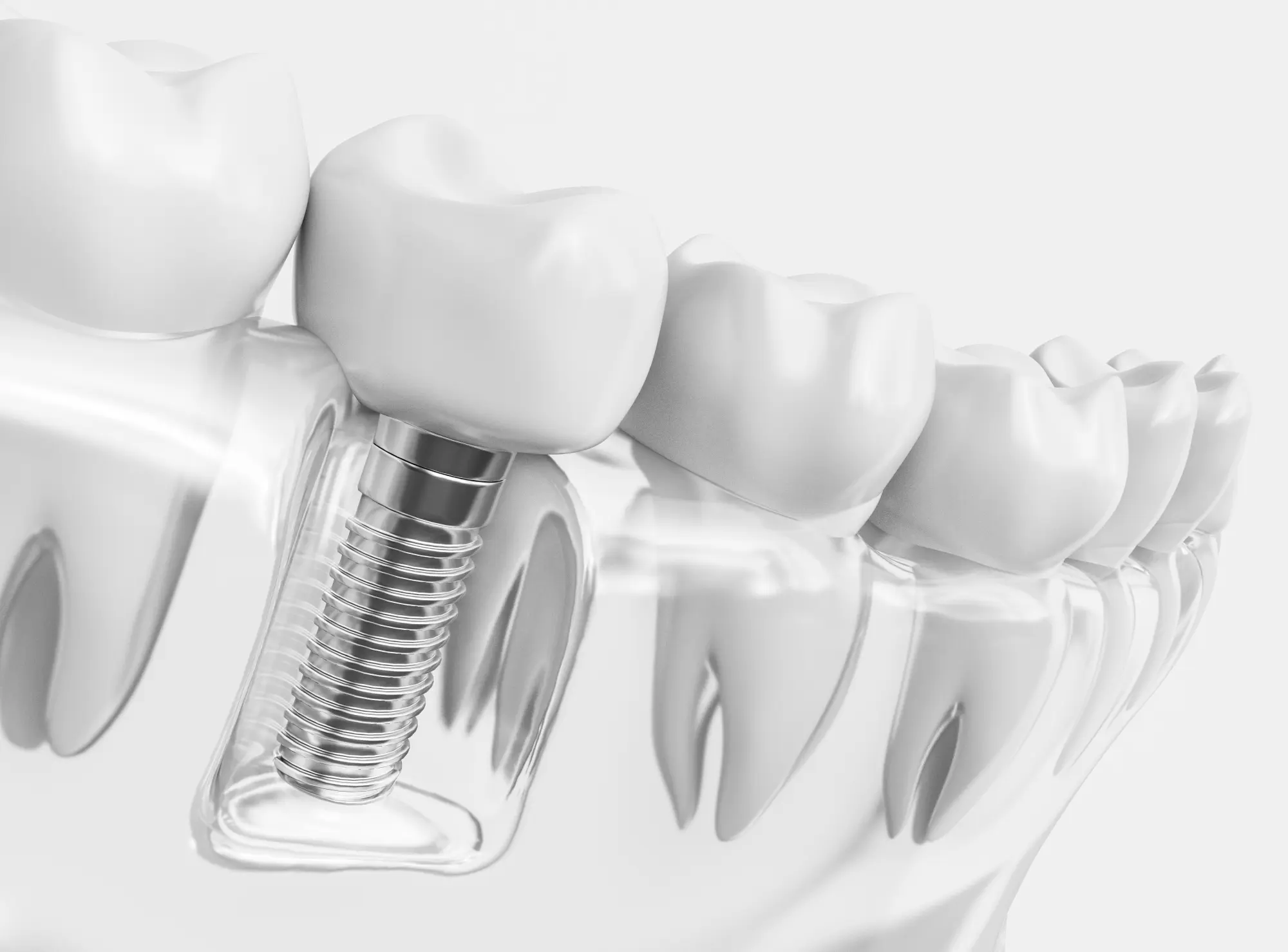
What Is a Sinus Lift? A Gentler Path to Dental Implants Than You Might Think
When we tell a patient that they don't have enough bone for a dental implant and will need a sinus lift first, we can almost see the worry set in. The name alone sounds intense. Many people imagine something aggressive, maybe even a little violent: a large opening drilled into the sinus, packed with graft material, followed by a long and painful recovery.
The reality is very different. A sinus lift is not a procedure of force. It is a procedure of patience and precision. The most important part of the work involves gently separating a delicate membrane from the bone without tearing it, so we can create a protected space where new bone can grow. It's careful, methodical work, and when it's done well, it gives your future implant a strong, stable foundation.
At Peninsula Oral Surgery and Implants in Torrance, Dr. John Nguyen and Dr. Thomas Omoto perform sinus lifts regularly as part of implant treatment for the upper jaw. In this post, we'll walk you through why some patients need a sinus lift, exactly how the procedure works, how common it is, when it's worth doing, how the technique has improved over the years, and what you can expect during recovery. Our hope is that by the end, the words "sinus lift" will feel a lot less frightening.
Why Some Upper Implants Need a Sinus Lift
Your maxillary sinuses are air-filled spaces that sit just above your upper back teeth, behind your cheekbones. In many people, the roots of the upper molars and premolars sit very close to the floor of the sinus, separated by only a modest layer of bone.
That layer of bone is exactly where a dental implant needs to anchor. An implant is a small titanium post that replaces the root of a missing tooth, and it relies on surrounding bone to hold it securely for years to come. When there isn't enough bone height between the gum line and the sinus floor, there simply isn't room to place an implant of adequate length.
Several things can lead to a shortage of bone in this area. After a tooth is lost, the bone that once supported it naturally begins to shrink. At the same time, the sinus can expand downward into the space where the root used to be. Gum disease, long-term tooth loss, and individual anatomy can all play a role as well.
A sinus lift solves this problem by adding bone in the right place. Instead of trying to build bone up from the gums, we gently raise the floor of the sinus and fill the newly created space with bone graft material. Over time, that graft becomes your own living bone, giving us the height we need to place an implant safely and securely.
How a Sinus Lift Works, Step by Step
Understanding what actually happens during a sinus lift tends to put patients at ease, so let's go through it in plain terms.
Accessing the sinus. We begin by removing a small amount of bone to gain access to the sinus. This is a small, controlled opening, not the large hole many patients picture.
Finding the membrane. The inside of the sinus is lined with a very thin membrane. This lining sits directly above the bone over your upper teeth, and protecting it is the heart of the procedure.
To help patients picture it, we like to compare this membrane to the one you find when you peel a hard-boiled egg. You know that thin, delicate layer between the shell and the egg white? The sinus membrane is very similar: thin, flexible, and easy to tear if you're not careful.
Lifting the membrane. Using great care, we peel this membrane away from the bone and lift it upward, creating a tent-like space beneath it. This step requires a steady hand and a lot of patience. Keeping the membrane intact is what allows the graft to stay contained and successfully develop into new bone.
Placing the graft. To hold the membrane in its new, raised position, we place bone graft material in the space underneath it. The graft acts as both a support and a scaffold that your body uses to build new bone.
Closing and healing. Once the graft is in place, we close the site and allow it to heal. In most cases, we give the area about six months to mature before placing the implant. During that time, your body gradually transforms the graft into solid bone that can support an implant for the long term.
As you can see, the procedure is far more about finesse than force. It's detailed, deliberate work, and it's something Dr. Nguyen and Dr. Omoto approach with the focus and care it deserves.
How Common Is a Sinus Lift?
If you've been told you need a sinus lift, you may be wondering whether something is unusual about your case. Most of the time, the answer is no.
In our Torrance practice, roughly 20% of the implants we place in the upper jaw require a sinus lift first. That number lines up well with published research, which shows that somewhere between about 10 and 33% of upper implants call for this procedure.
In other words, a sinus lift is a routine and well-established part of implant dentistry. It's one of the most common ways oral surgeons create the bone needed for successful upper implants, and it has a long track record behind it.
Is a Sinus Lift Worth It? Weighing Your Options
We want to be upfront with our patients: a sinus lift adds meaningful time and cost to implant treatment. Between the procedure itself and the healing period before the implant can be placed, it extends the overall timeline. So it's fair to ask when it's actually worth it.
For many patients, the answer comes down to the long-term health of the implant. A sinus lift allows us to place a standard-size implant, and a standard-size implant is better equipped to handle the biomechanical stresses of everyday chewing and biting. For patients who want to maximize the lifespan of their implant and get the strongest possible result, the added time and investment often pay off for years to come.
That said, a sinus lift isn't the right choice for everyone. For some patients, a shorter implant, typically in the range of 6 to 8 millimeters, may be a better option that avoids the sinus lift entirely. We often consider this approach for:
- Patients with a history of sinus disease, where working in or around the sinus may carry added concerns
- Older patients, for whom a simpler, shorter treatment path may make more sense
Every mouth is different, and so is every patient's set of priorities. During your consultation, we'll look closely at your anatomy, your health history, and your goals, then talk through the pros and cons of each option so you can make a decision you feel confident about.
How Sinus Lifts Have Improved Over the Years
One of the benefits of practicing alongside a colleague like Dr. Omoto is the perspective that comes with his many years of experience. Dr. Nguyen and Dr. Omoto have talked often about how sinus lifts have evolved, and a few changes stand out as having made a real difference for patients.
Better Graft Materials
The type of graft material used has changed significantly. Today, allograft, which is human donor bone that is carefully processed and screened, is widely considered the gold standard for sinus lifts.
When sinus lifts first became common, allograft wasn't as readily available. Surgeons often relied on xenograft, which is bone derived from an animal source. Xenograft is very good at holding space, but it isn't always as effective at encouraging new bone to form. The broader availability of allograft has made sinus lifts much more predictable and successful.
The Addition of PRF
Another important advance is the ability to combine graft material with blood-derived products, most notably PRF (platelet-rich fibrin). PRF is made from a small sample of the patient's own blood and is now both affordable and easy to prepare. Mixing it with the graft improves how the material handles during the procedure and can improve the overall results of the sinus lift.
Purpose-Built Instruments
Finally, manufacturers have developed instruments designed specifically for sinus lift procedures. These advanced tools allow for more controlled access and gentler lifting of the membrane. The result is a smoother procedure, a more comfortable experience for patients, and a dramatic drop in complication rates compared to earlier years.
Together, these improvements mean that the sinus lift you would receive today is more refined, more comfortable, and more reliable than ever before.
What Recovery After a Sinus Lift Looks Like
Knowing what to expect after surgery can make the recovery period much easier to manage. While every patient heals a little differently, most follow a fairly consistent pattern.
The General Timeline
- Days 1 to 3: Swelling and discomfort typically increase over the first three days.
- Days 4 to 5: Symptoms usually level off for a day or two.
- After that: Most patients notice steady improvement each day.
As a general guide, we tell our patients they'll likely feel about 70% better by the end of the first week and around 90% better by the end of the second week. To be honest with you, the first week is usually the most challenging part, so we recommend planning a lighter schedule during that time and giving yourself room to rest.
Sinus Precautions
One part of recovery that is unique to a sinus lift is following what we call sinus precautions. Because the graft sits just beneath the lifted sinus membrane, we want to avoid anything that creates pressure changes in the sinus and could disturb the healing graft. For that reason, we ask our patients to:
- Avoid flying for the first 10 days after the procedure
- Avoid blowing your nose while the area heals
These steps are simple, but they make an important difference in protecting the graft and helping your new bone develop properly. We'll give you complete aftercare instructions before you leave our office, and our team is always available if questions come up during your recovery.
Considering Dental Implants in Torrance? Let's Talk
A sinus lift may sound intimidating at first, but it's a careful, well-established procedure that helps many patients get the strong, long-lasting implants they want. With modern graft materials, PRF, and purpose-designed instruments, sinus lifts today are more predictable and more comfortable than ever. And with a clear recovery plan and a few simple precautions, most patients are feeling much like themselves within a couple of weeks.
If you've been told you don't have enough bone for an upper implant, or you're simply exploring your options for replacing missing teeth, we'd love to help. At Peninsula Oral Surgery and Implants, Dr. John Nguyen and Dr. Thomas Omoto will take the time to evaluate your needs, explain whether a sinus lift or an alternative approach makes the most sense for you, and answer every question along the way.
Call us today at (310) 325-7800 to schedule your consultation at our Torrance office. Your healthiest, most confident smile may be closer than you think.
Recent Articles
What Is a Sinus Lift? A Gentler Path to Dental Implants Than You Might Think
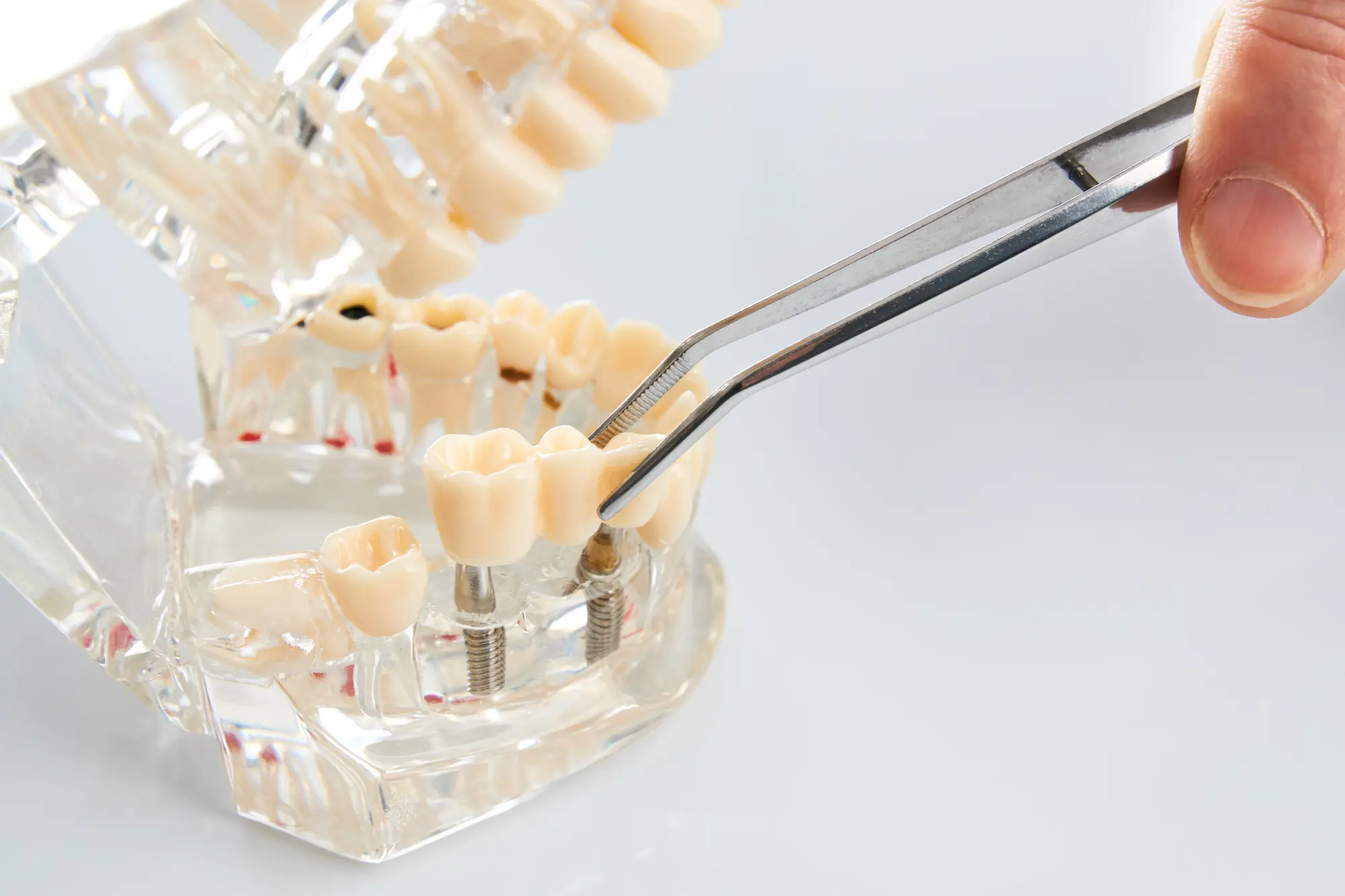
You've Been Told You Don't Have Enough Bone for an Implant — Now What?
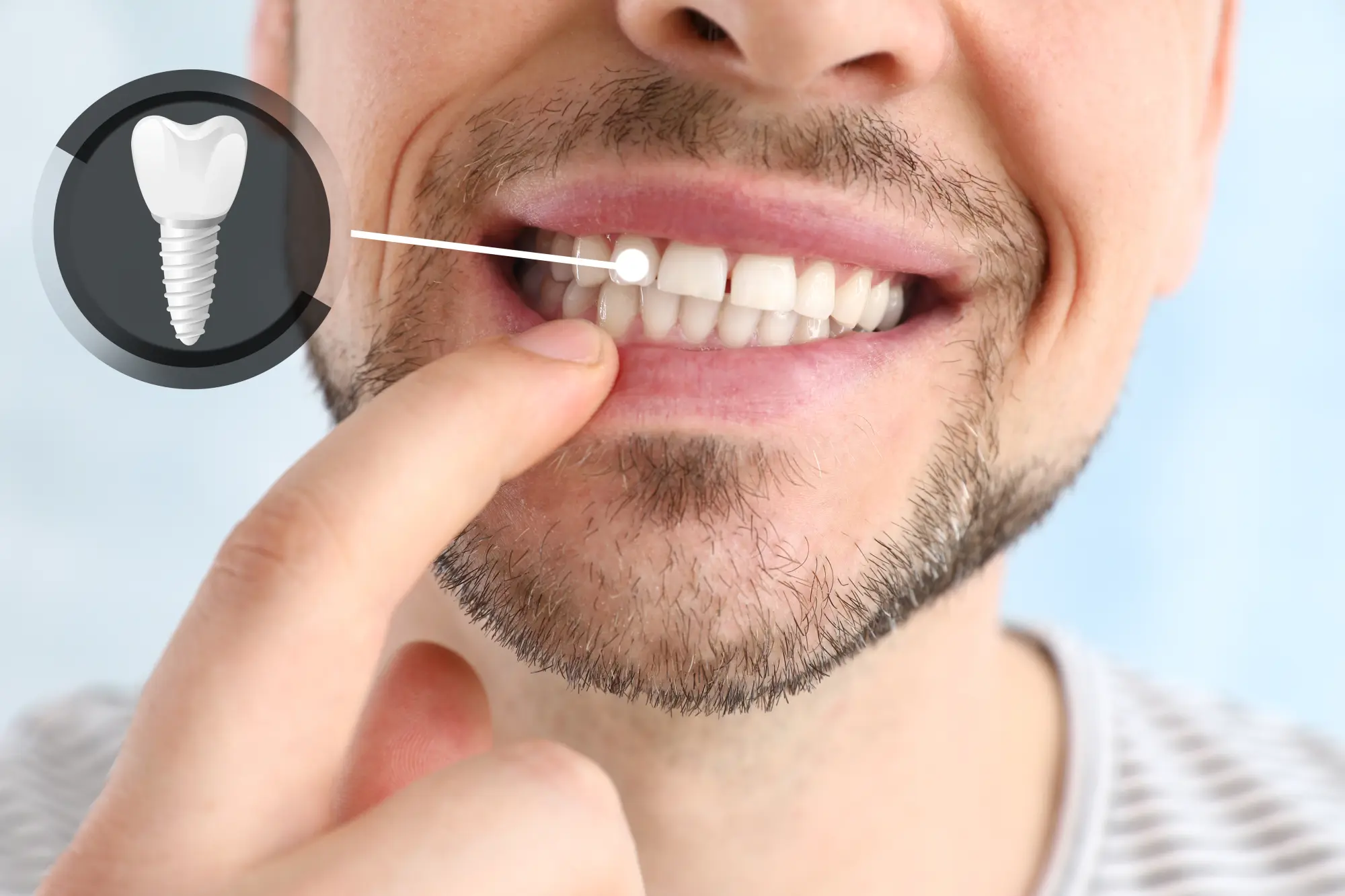
What Is CBCT Imaging and Why Does It Matter for Your Implant?