
Bone GraftingIn Torrance, CA
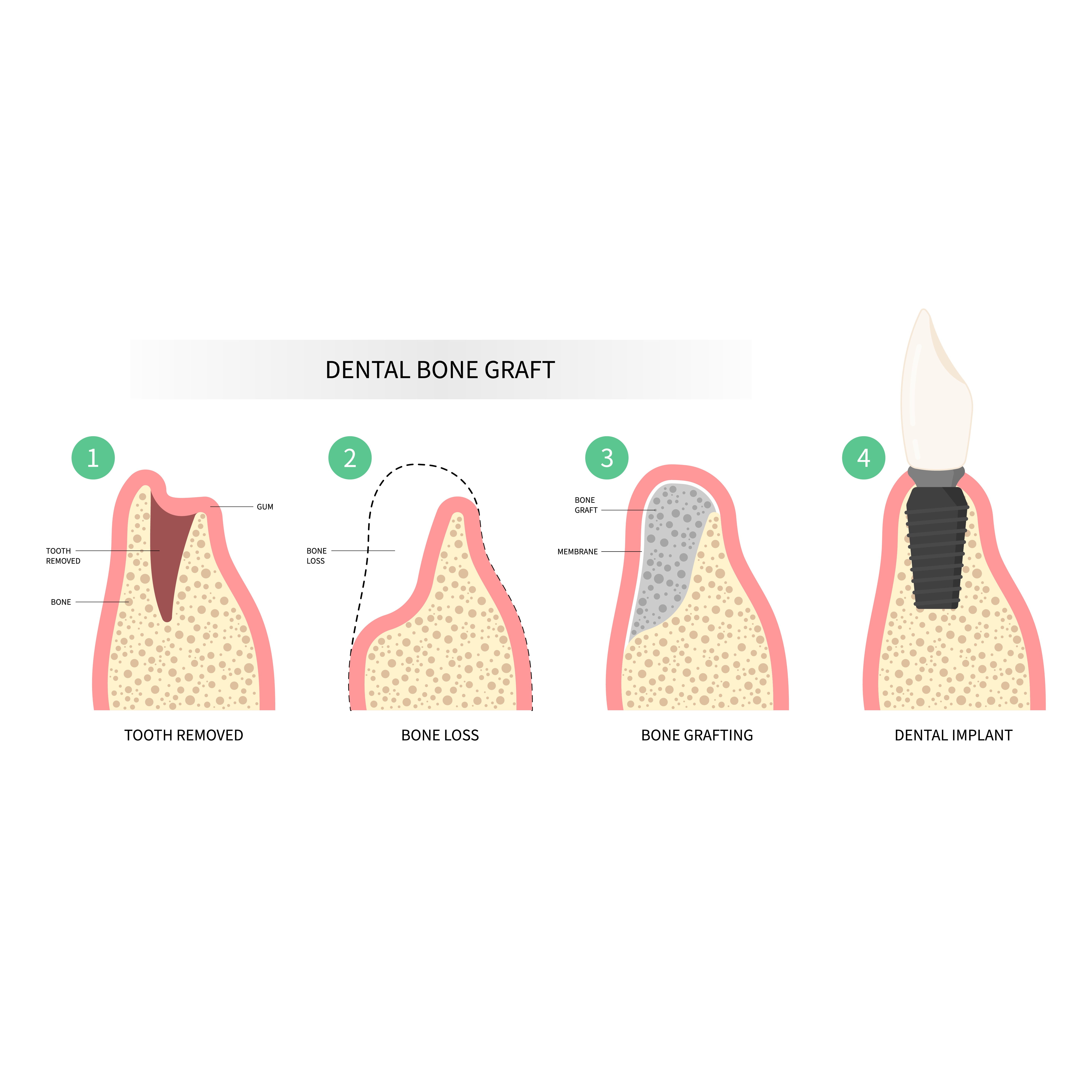
Waiting to replace a lost tooth has its consequences. Bone resorption begins soon after your tooth is lost and makes it difficult, and sometimes impossible, to properly place dental implants. Luckily, bone grafting can make you an ideal candidate for dental implants.
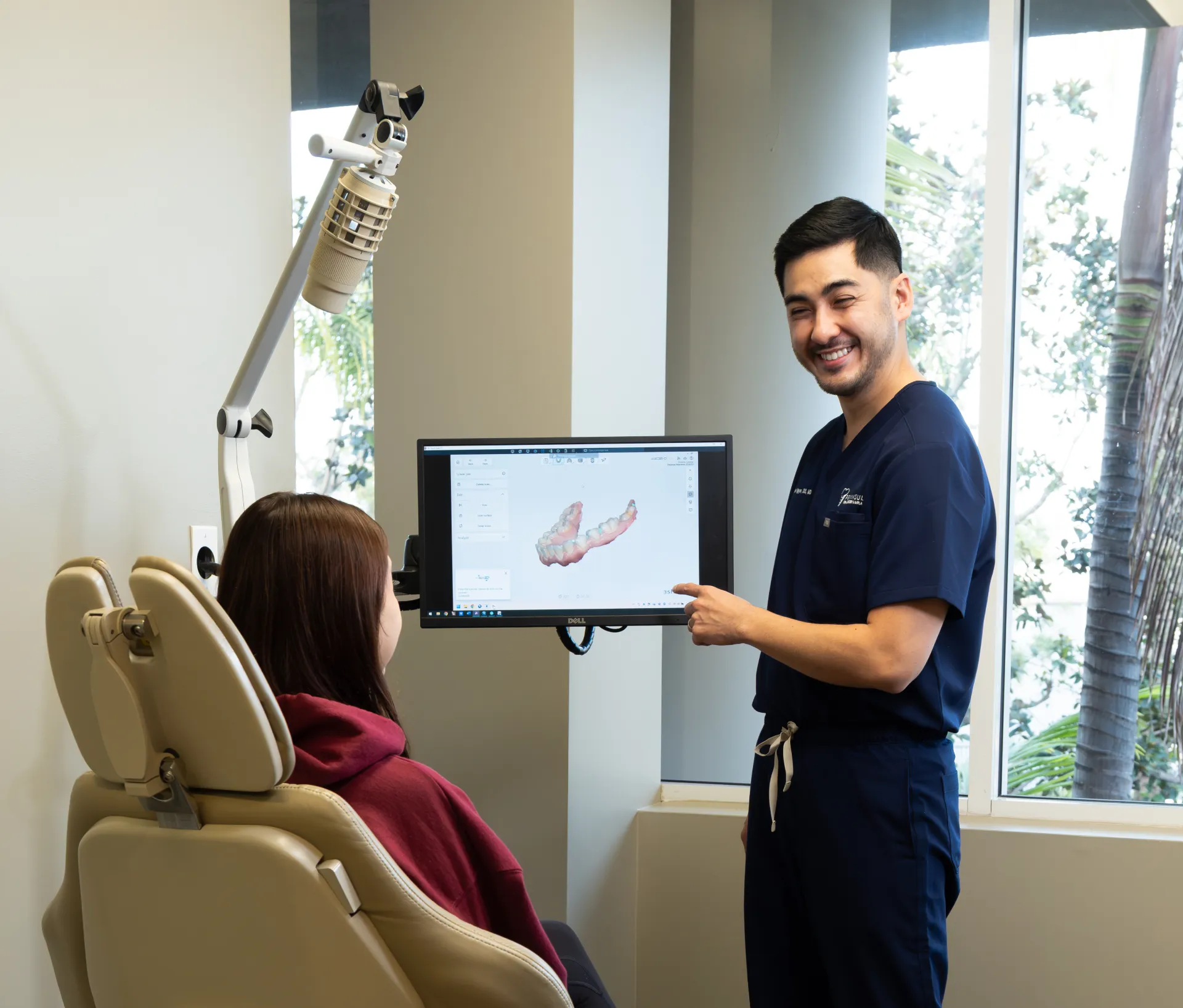
What is bone grafting?
Bone grafting is a surgical procedure that is performed to increase bone volume and density in patient's who have experienced bone loss due to tooth loss, trauma, or pathology. Restoration of the lost bone is critical to allow implant placement.
The graft material can be patient derived, human donor derived, or animal derived. The material of choice is case based and dependent on discussion with the patient.
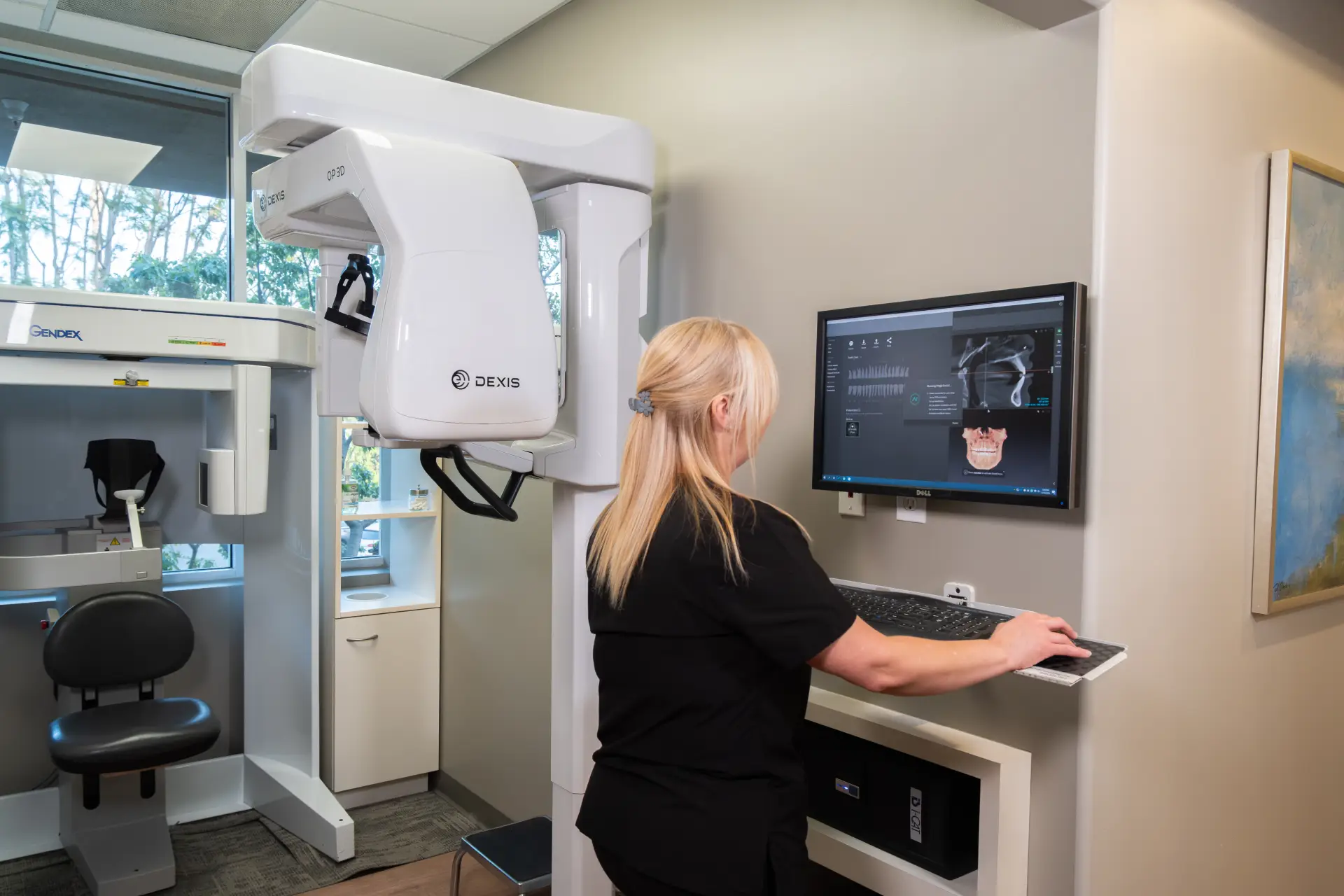
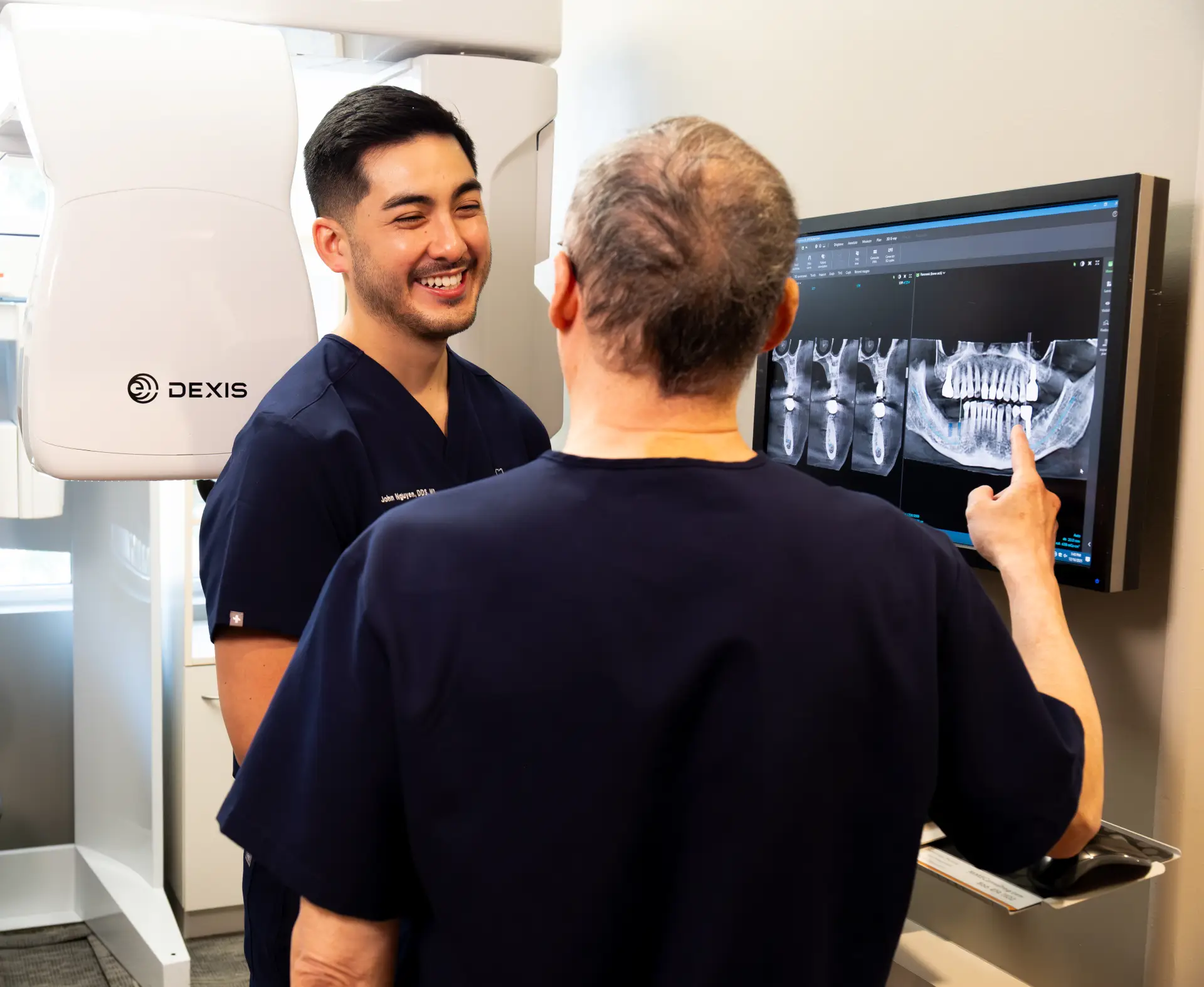
CBCT 3D X-rays
CBCT (Cone-beam computed tomography) scanners allow us to see a 3D view of your teeth, and the underlying structures for more precise treatment planning. This helps us avoid damaging vital structures such as the nerves and sinuses.
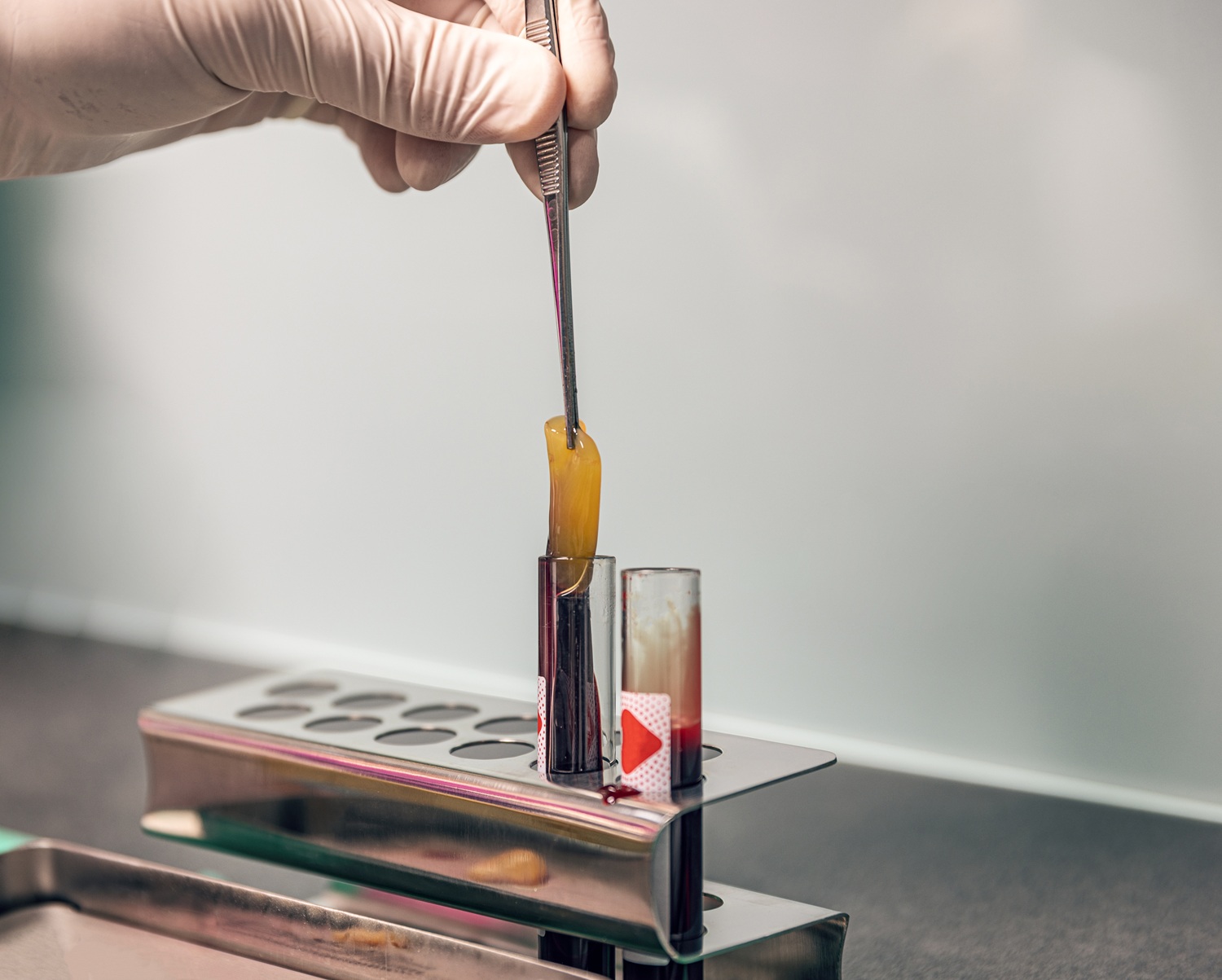
Platelet-Rich Fibrin (PRF)
To further support healing, we also use platelet-rich fibrin (PRF), a natural material made entirely from your own blood. PRF is rich in growth factors that promote faster healing and bone regeneration. It also helps bind and stabilize the graft material, improving both comfort and long-term success.
Board-Certified Oral Surgeon
Not all bone graft materials are created equal. Ours is carefully sourced from safe, high-quality donor tissue to ensure the best results. Each graft is thoroughly screened, gently cleaned with medical-grade solutions, and sterilized to guarantee safety and success.
The Benefits of Bone Grafting
Prepares You For Dental Implants
Dental implants are superior to all other methods of tooth replacement, including partial dentures and dental bridges. With a bone graft, you can strengthen your jaw bone and prepare for a permanent dental implant.
Maintains Your Appearance
Over time, jaw bone loss can lead to a “sunken” appearance and changes in your facial structure. With bone grafts and dental implants, your facial structure won’t change, and you can maintain your appearance.
Prevents Further Bone Loss
Jaw bone loss will only get worse over time without treatment. With a bone graft, you can reverse it, and dental implants help stimulate your jaw and keep it healthy. This prevents the weakening of nearby jaws and teeth.
The Bone Graft Process
Pre-Treatment Evaluation

Pre-Treatment Evaluation
Your oral and maxillofacial surgeon conducts a comprehensive clinical assessment to determine the need for bone augmentation. This includes a detailed intraoral examination, radiographic imaging (typically panoramic X-rays or CBCT scans), and a review of your medical and dental history to confirm that bone grafting is indicated for implant placement.
Bone Grafting Procedure
Bone Grafting Procedure
Once treatment is approved, the grafting procedure is performed under local anesthesia (with sedation if required). The surgical site is exposed, debrided, and prepared. The surgeon places the selected graft material—autograft, allograft, xenograft, or alloplastic substitute—into the deficient alveolar region to restore or enhance bone volume. The area is then stabilized, covered with a membrane or protective barrier when appropriate, and sutured to facilitate controlled healing.
Postoperative Healing & Integration

Postoperative Healing & Integration
Initial soft-tissue healing generally occurs within approximately 2 weeks. Osseous integration and maturation of the graft typically require 3–6 months, during which the graft material is gradually replaced by native bone. Adherence to all postoperative care instructions is essential to support optimal recovery and ensure adequate bone quality for subsequent implant placement.

FAQs
Frequently Asked Questions
Check out these frequently asked questions, or call us to speak with our team.
An oral and maxillofacial surgeon completes advanced training and additional education after dental school. Oral surgeons must complete an additional 4 year hospital based residency to gain expertise in the treatment of the face, jaws, and mouth. Some surgeons elect to also obtain their medical degree to better treat medically complex patients.
The length of time required to perform a bone graft can vary depending on several factors. Where the graft is taking place, the size of the graft, and the type of material used can all impact the duration of your procedure. Your oral surgeon will provide you with a thorough explanation of the treatment, and give you information about what to expect on the day of the procedure and how to properly prepare for it.
The cost of oral surgery varies from procedure to procedure based on the complexity of the surgery and the materials used. If your dental and/or medical insurance doesn’t cover your oral surgery, ask about financing options so you can create a payment plan that fits your needs, budget, and lifestyle.
There are three main types of bone grafts: allografts, autografts, and synthetic bone grafts.
Allografts utilize tissue from a donor to replace missing bone. Certain measures are taken to ensure safety
Patients who receive an autograft will have bone tissue removed from another part of their body that will be used to restore lost volume in their jaw.
There are a wide range of biocompatible materials that can be used in place of donor tissue. Synthetic bone grafts offer a degree of flexibility when it comes to treatment, and is the best option for certain patients.