
Ridge Augmentation for Dental Implants: What Patients Should Know
When patients visit us at Peninsula Oral Surgery and Implants in Torrance, one of the most common things we hear is:
“I was told I don’t have enough bone for dental implants… is there anything I can do?”
The good news is that in many cases, yes! There absolutely is.
Thanks to modern advancements in imaging, materials, and surgical techniques, ridge augmentation has become a highly effective way to rebuild bone and make dental implants possible for patients who previously weren’t candidates.
Under the care of Dr. John Nguyen (Dr. Nguyen), we help patients restore lost bone and regain the ability to replace missing teeth with stable, long-lasting dental implants. In this guide, we’ll walk you through everything you need to know, from why bone loss happens to what recovery looks like, so you can feel informed and confident about your options.
Why Bone Matters for Dental Implants
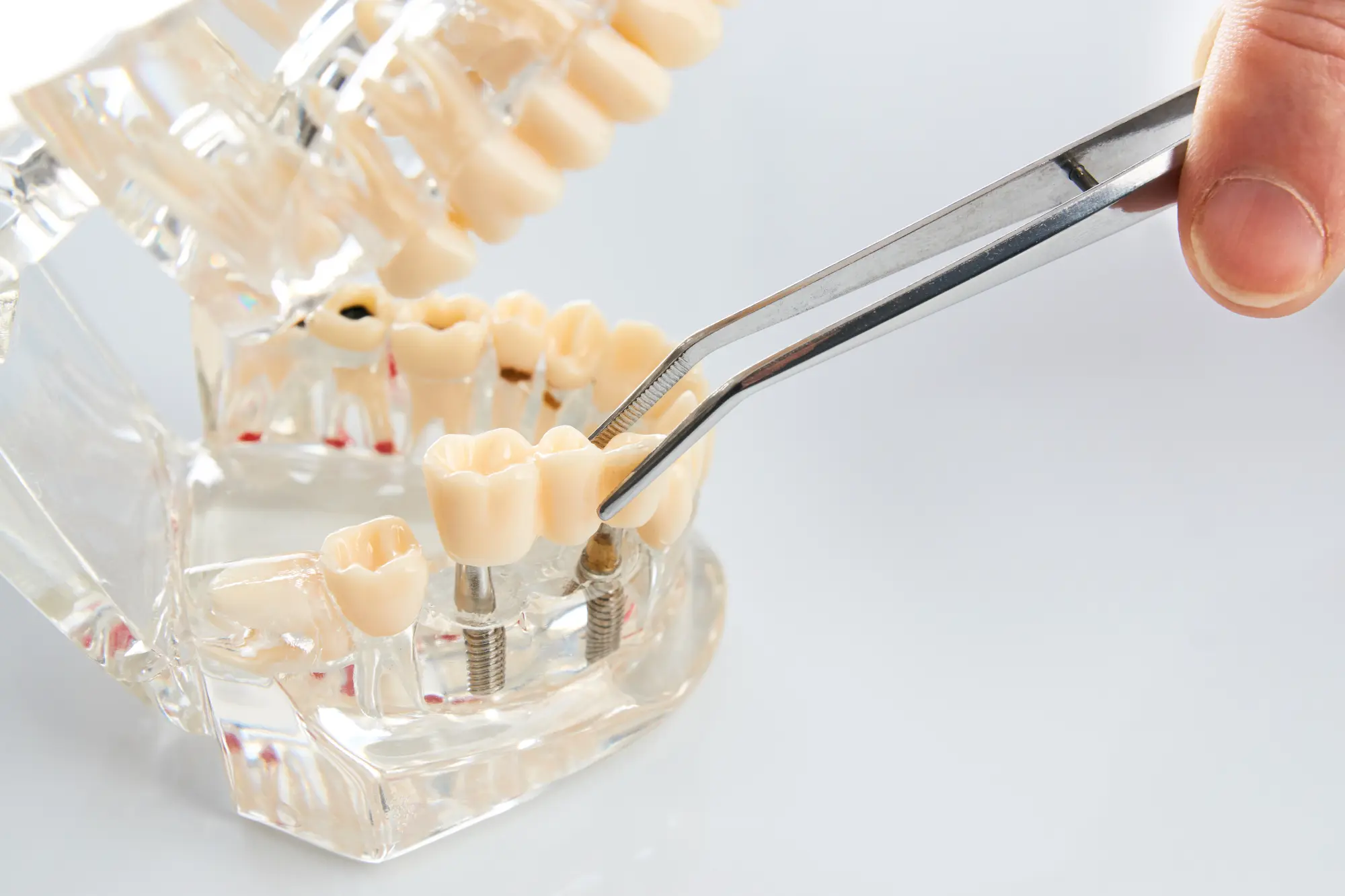
For dental implants to be successful, they need to be completely surrounded by healthy bone. This bone acts as the foundation that holds the implant securely in place — similar to how a natural tooth root is supported by your jawbone.
However, not every patient has enough bone to support an implant. This can happen for several reasons, including:
- Natural anatomical variation
- Bone loss due to gum disease
- Tooth loss over time
- Trauma or injury
- Failed dental restorations, such as bridges
When there isn’t enough bone available, placing a dental implant may not be possible right away. That’s where ridge augmentation comes in.
Ridge augmentation allows us to rebuild lost bone, creating the stable foundation needed for dental implants and restoring both function and confidence.
What Is Ridge Augmentation?
Ridge augmentation is a type of bone grafting procedure designed to rebuild areas of the jaw that have lost bone volume.
When a tooth is missing for a long period of time, the jawbone in that area begins to shrink. This is a natural process called bone resorption. Without the stimulation of a tooth root, the body gradually reabsorbs the bone, which can make implant placement more challenging.
With ridge augmentation, we place specialized grafting materials into the area of bone loss. Over time, your body integrates this material and grows new bone, creating a stronger, healthier foundation for dental implants.
This process allows many patients who were previously told they weren’t candidates for implants to move forward with treatment.
Why Some Patients Don’t Have Enough Bone
Bone loss in the jaw is more common than many people realize. Some of the most frequent causes include:
Missing Teeth for a Long Time
When a tooth is missing, the jawbone no longer receives stimulation from chewing forces. Over time, this causes the bone to shrink. The longer a tooth is missing, the more bone loss can occur.
Gum Disease
Periodontal disease can damage both the teeth and the surrounding bone. Advanced gum disease is one of the leading causes of bone loss in adults.
Trauma or Injury
Accidents or injuries involving the mouth or jaw can result in bone damage or loss.
Failed Dental Work
Sometimes, a failed dental bridge or infection can lead to gradual bone deterioration. This is something we see fairly often in patients who have had dental work done years ago.
Natural Anatomy
Some patients simply have thinner or smaller jawbone structures, making implants more difficult without augmentation.
Regardless of the cause, ridge augmentation allows us to rebuild the bone and create new possibilities for tooth replacement.
Modern Advances in Ridge Augmentation
One of the most exciting things about ridge augmentation today is how much the technology has improved. The tools and materials we use now are far more advanced than they were even a decade ago.
3D Imaging with CBCT Technology
One of the biggest diagnostic advancements is the use of CBCT (Cone Beam CT) scans.
This 3D imaging technology allows us to:
- Evaluate bone volume precisely
- Understand your unique anatomy
- Identify important structures
- Plan surgery with greater accuracy
By using CBCT imaging, Dr. Nguyen can create a more precise treatment plan and help you achieve the best possible outcome.
Advanced Bone Grafting Materials
Today’s grafting materials are also significantly improved. Modern materials are:
- Highly biocompatible
- Designed to integrate naturally with your body
- Enhanced with platelet products for improved healing
- More predictable than older materials
These advancements allow us to grow bone more reliably and effectively than ever before.
Improved Surgical Techniques
Along with better technology and materials, surgical techniques have also evolved. These improvements help make ridge augmentation:
- Cleaner
- More efficient
- More predictable
- More comfortable for patients
While ridge augmentation is still a complex procedure, these advancements have dramatically improved outcomes.
What to Expect During Ridge Augmentation
Understanding what to expect can help you feel more comfortable about the process.
Before Surgery
Your journey begins with a comprehensive consultation. During this visit, we will:
- Review your medical history
- Take CBCT imaging
- Evaluate bone levels
- Discuss treatment goals
- Create a customized treatment plan
We’ll also talk about what to expect during recovery and answer any questions you may have.
During the Procedure
Ridge augmentation involves careful surgical techniques to place and stabilize the bone graft material. The procedure typically includes:
- Accessing the treatment area
- Placing grafting material
- Stabilizing the graft
- Closing the tissue carefully
Because the procedure requires tissue manipulation, some swelling afterward is expected.
Recovery Timeline After Ridge Augmentation
We always like to prepare patients for what recovery will look like so there are no surprises.
First 3 Days
You should expect swelling and discomfort to increase over the first three days. This is completely normal and part of the healing process.
Days 4–5
Swelling typically plateaus and begins to improve.
After One Week
Most patients feel about 70% better after the first week.
After Two Weeks
By the second week, patients usually feel 85–90% improved.
Long-Term Healing
Bone healing continues over several months. Once the bone has developed sufficiently, we can move forward with dental implant placement.
Managing Discomfort After Ridge Augmentation
We take pain management very seriously and work closely with each patient to create a comfortable recovery plan.
One of the most important things we recommend is taking medication on a schedule, rather than waiting until discomfort begins.
Why? Because waiting for pain can create a cycle of:
Comfort → Pain → Relief → Pain
Instead, we recommend staying ahead of discomfort with around-the-clock medication, especially during the first three days. Most patients take medication every six hours during this period.
This approach helps maintain steady comfort and a smoother recovery experience.
We’ll also provide guidance on:
- Ice packs
- Soft foods
- Rest
- Oral hygiene
Following these instructions carefully can significantly improve your recovery.
A Real Patient Story: From Hesitation to Success
We recently saw a patient for her six-month follow-up after ridge augmentation, and her case is a great example of how transformative this procedure can be.
When she first came to our office, she was understandably nervous. She had previously lost a dental bridge and was told by another provider that she didn’t have enough bone for implants. As a result, she had the bridge remade — but unfortunately, it failed again.
At that point, she faced two options:
- Ridge augmentation followed by implants
- A removable prosthesis
She wasn’t sure she wanted to go through the ridge augmentation process and took some time to think about it. A few months later, she returned and told us:
“A removable prosthesis just isn’t an option for me. Let’s do this.”
We performed the ridge augmentation successfully, and six months later, she was thrilled with her decision. Now, she’s ready for the next step — dental implants and restoring her smile.
Stories like this remind us why ridge augmentation can be such a life-changing procedure.
Common Misconceptions About Ridge Augmentation
There are a few misconceptions about ridge augmentation that we often hear.
“Bone grafting is simple.”
While advancements have improved outcomes, ridge augmentation is still a highly technique-sensitive procedure that requires experience and precision.
“Bone just magically grows.”
Bone growth doesn’t happen automatically. The graft must be carefully placed, stabilized, and protected during healing.
“Technology makes it easy.”
Technology helps — but successful outcomes still depend on:
- Surgical skill
- Patient compliance
- Biological healing
What Makes Ridge Augmentation Successful
Several factors contribute to successful ridge augmentation.
Surgical Expertise
Experience and precision play a major role in successful outcomes.
Patient Compliance
Patients must follow instructions carefully, including:
- Soft diet
- Hygiene
- Medication schedule
Biology
Healing varies from person to person. While we do everything possible to optimize success, individual biology also plays a role.
Who Is a Candidate for Ridge Augmentation?
You may be a candidate if you:
- Were told you don’t have enough bone for implants
- Have missing teeth for a long time
- Have experienced bone loss
- Want to avoid removable dentures
- Had a failed bridge
The best way to know is through a consultation and 3D imaging.
Benefits of Ridge Augmentation
Ridge augmentation offers many benefits:
- Makes dental implants possible
- Restores chewing ability
- Prevents further bone loss
- Improves oral health
- Provides long-term stability
- Avoids removable prosthetics
Final Thoughts: Rebuilding Bone, Restoring Confidence
At Peninsula Oral Surgery and Implants, we understand that hearing you don’t have enough bone for implants can feel discouraging. But in many cases, ridge augmentation can open the door to long-lasting tooth replacement solutions.
Thanks to modern technology, advanced materials, and experienced care from Dr. Nguyen, ridge augmentation is more predictable and effective than ever before.
If you’ve been told you’re not a candidate for dental implants, or if you’re exploring your options, we’re here to help.
We invite you to schedule a consultation to learn more about your options and take the next step toward restoring your smile.
Call us today at (310) 325-7800 to schedule your consultation with Dr. Nguyen.
Recent Articles
You've Been Told You Don't Have Enough Bone for an Implant — Now What?
What Is CBCT Imaging and Why Does It Matter for Your Implant?
Single Implant vs. Bridge: Which Is Right for You?